History of The Coptic Orthodox Church

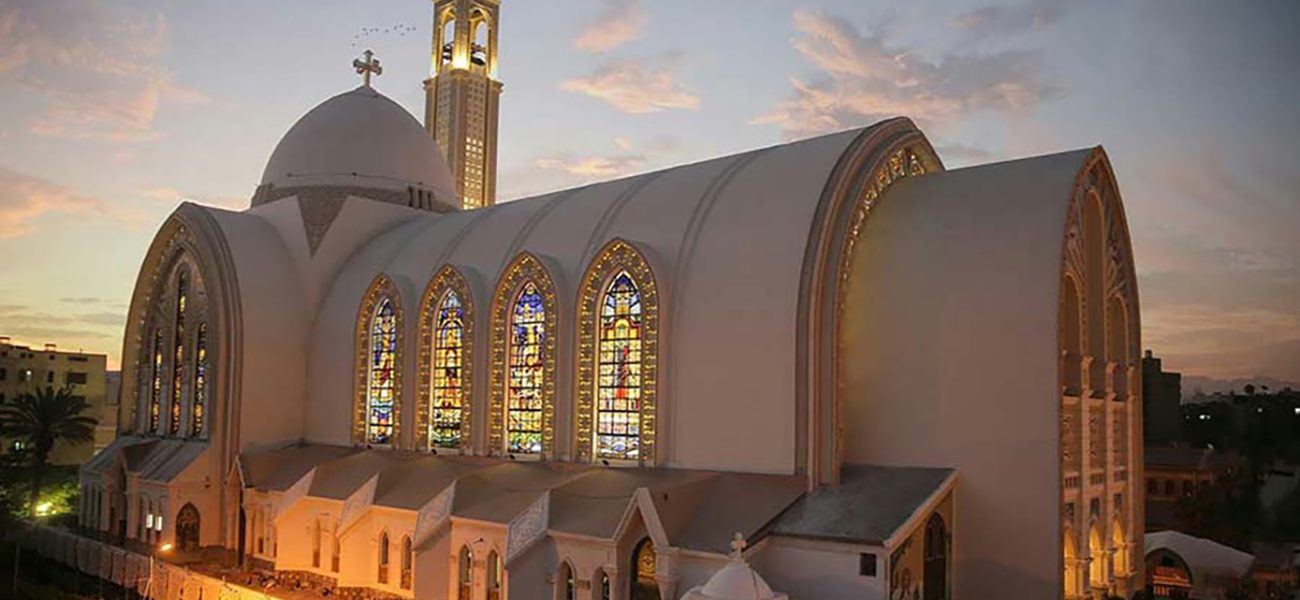
cathedral

Brief History

The Coptic Church is the first church in Africa. It was founded by St. Mark. St. He is one of the 70 Apostles of Christ, and one of the four Gospel writers.

He came to Alexandria, Egypt, in 48 AD and was martyred in the same city in 68 AD.

The Coptic Church recognizes him as its first Pope.He ordained the first Bishop (Anianus) , who later became the second Patriarch of the Coptic Church . Since then, the Church has ordained bishops, priests and deacons, each generation handing down to the next one.

History of The Coptic Orthodox Church

Egypt’s Pharaonic name was Hik – Ka – Ptah. This evolved through ages into Greek name ‘ Aigyptos ‘, then the Arabic name ‘Gypt’ then ‘ Egypt’ and ‘Copt’. Therefore, the words ‘ Coptic ‘ & ‘ Egyptian ‘ are synonymous. But, Overtime, the words ‘Coptic’ & ‘Christian’ have also become interchangeable.

The word ‘ Orthodox ‘ means ‘ straight opinion 

The Church is founded by the apostles 

  • The Church follows the same Christian faith and teachings of the apostles which they have received from Jesus Christ 
  • The clergy come from a continuous CHAIN that traces back to the early Christian Church. 

– The Lord Jesus Christ told His apostles: ” Go therefore and make disciples of all nations .. teaching them to observe all the things that I have commanded you ” ( Matthew 28 : 19.20 )

– St Paul the apostle said: ” For I received from the Lord that which I also delivered to you ” (1 Corinthians 11:23 ) ” And the things that you have heard from me among many witnesses , commit these to faithful men who will be able to teach others also ” ( 2 Timothy 2 : 2 )

  • The Holy Bible. 
  • The Tradition handled from early Church fathers including Ancient Liturgies, rites and prayers.
  • The Ecumenical Councils. 

Thus, these teachings were delivered from generation to generation through both Oral and Written Tradition and through the life of the church, until received by us.

It was founded by St. Mark. In the early years of the church, It gave rise to numerous spiritual leaders both within Egypt and abroad.
As it is. It’s program has served as a model for today’s seminaries and theological institutes all over the world.

Since the early days of its existence, the Fathers of Coptic Church fought against heresies and ideas that deviate from the proper understanding of Faith.
Among those fathers is St. Athanasius. He wrote the Creed, the statement of faith, still used by all the Apostolic Churches today. He endured many hardships during his lifetime and spent more than 17 years in exile. His well-known expression “I am against the world’’ defined his commitment to guarding the faith.

The Orthodox Church recognizes and honors martyrs, Men and Women who suffered and died for their faith.
During the 1st century, most of the disciples and apostles of Jesus were martyred. The Roman Empire continued then to persecute Christians.
During the 2nd and 3rd centuries, the Coptic Church witnessed 21 waves of persecution, the fiercest was the reign of the Roman Emperor Diocletian. During his reign,
the church offered countless martyrs by estimates between 500,000 and 1 million.
Despite the years of martyrdom and persecution, the number of believers continued to grow. The lives of the martyrs have inspired many to embrace the Christian Faith.
Tertullian, a 3rd century North African lawyer, wrote:
“If the martyrs of the whole world were put on one arm of the Balance, and the martyrs of Egypt on the other the balance will tilt in favor of the Egyptians”

Christian monks and nuns all over the world can trace their order to Coptic monasticism which started in the deserts of Egypt.
After the threat of persecution wore off, many Christians still had strong desires to offer their lives to God. They turned to the deserts & lived a life of sacrifice marked by a set of practices such as fasting, prayer, physical labor, solitude and silence.
Today, The Coptic Orthodox Church is marked by spiritual practices that aim at bringing her children into unity with Jesus Christ and the life of the true faith. These practices include prayer, fasting and the sacramental Life of the church